
Nigeria's push for a more secure financial identity has hit a new milestone as Nigeria Inter-Bank Settlement System (NIBSS) reports that Bank Verification Number (BVN) enrolments reached 67.8 million by December 2025. This jump represents a year-on-year growth of 6.8 percent, adding 4.3 million new users compared to the 63.5 million registered by the end of 2024. The steady climb suggests that the government's aggressive push to tie banking to biometric identity is finally gaining widespread traction across the federation.
Here's the thing: this isn't just about numbers on a spreadsheet. For the average Nigerian, the BVN has shifted from being a tedious banking requirement to a critical survival tool for accessing money. With the regulatory environment tightening, the gap between having a bank account and having a verified identity has narrowed significantly.
The Regulatory Push Behind the Numbers
Turns out, the growth hasn't been entirely voluntary. A massive driver for these registrations was a strict directive issued in April 2024 by the Central Bank of Nigeria (CBN). The regulator essentially played hardball, ordering that any bank account lacking a BVN or a National Identification Number (NIN) be frozen immediately. For millions of customers, the choice was simple: register or lose access to their funds.
This enforcement has worked. The trajectory over the last five years shows a consistent upward climb, moving from 51.9 million in 2021 to 56 million in 2022, 60.1 million in 2023, and 63.5 million in 2024. The leap to 67.8 million by the end of 2025 reflects a system that is becoming the baseline for all financial activity in Nigeria.
- 2025 Total: 67.8 million users
- Annual Growth: 4.3 million new enrolments (6.8%)
- Total Active Accounts: 325.6 million (as of August 2025)
- Security Method: 11-digit ID linked to fingerprints and facial images
How the BVN System Actually Works
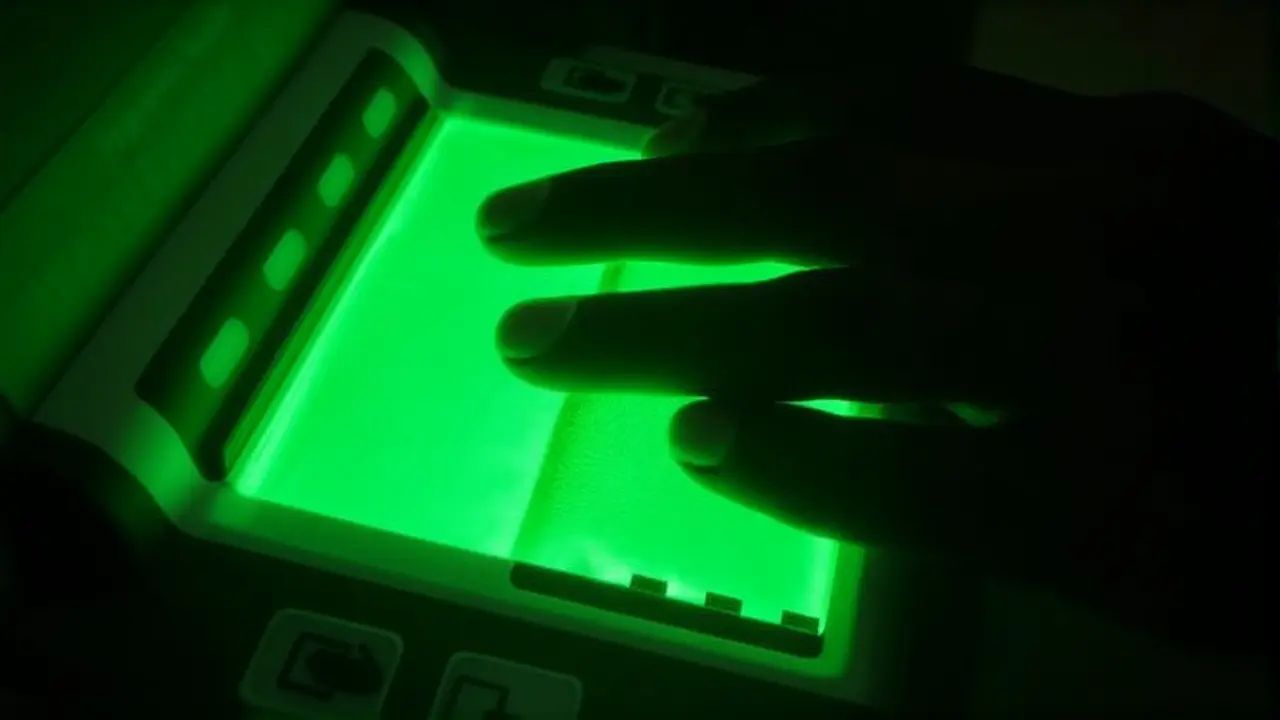
Launched on February 14, 2014, the BVN was designed to kill off the plague of identity fraud that had long haunted the Nigerian banking sector. Instead of relying on easily forged signatures or passwords, the system uses biometrics. Every customer provides fingerprints and a facial image, which are then tied to a unique 11-digit number.
The process is relatively simple. A customer visits a bank branch, fills out a form, and undergoes biometric capture. Within 24 to 48 hours, the BVN is generated and sent via SMS. Once you have it, that single number links every account you hold across different banks. It's a unified financial identity. Interestingly, this has made it much harder for fraudsters to open multiple "ghost" accounts across different institutions to hide illicit funds.
The Gap Between Accounts and Identities
One oddity in the data is the sheer volume of accounts compared to the number of verified people. As of August 2025, NIBSS recorded 325.6 million active bank accounts. Wait, how can there be 325.6 million accounts but only 67.8 million BVNs? It's a matter of account types. Nigerians often hold multiple accounts—a savings account for family, a current account for business, and perhaps corporate accounts for their side hustles.
This disparity highlights why the BVN is so vital. By linking multiple accounts to one biometric ID, the CBN can better monitor the flow of money and enforce Anti-Money Laundering (AML) and Know-Your-Customer (KYC) regulations. It turns a fragmented system of millions of accounts into a manageable map of actual human beings.
Expanding the Reach: The Diaspora Angle
The growth isn't just happening within Nigeria's borders. Recognizing that millions of Nigerians live abroad but still maintain financial ties to home, the government introduced a remote registration program. This allows the diaspora to register for a BVN from anywhere in the world, removing the need to travel back to Lagos or Abuja just to verify their identity.
This move has not only boosted registration numbers but has also strengthened the link between the diaspora and the local economy. It's a strategic move to ensure that remittance flows are secure and that Nigerians abroad can manage their investments back home without the fear of their accounts being frozen due to lack of documentation.
Why This Matters for the Future
The ripple effects of this 6.8% growth are significant. As the BVN becomes the gold standard for identity, it's paving the way for more advanced digital banking and credit scoring. When a bank knows exactly who you are—and that you are the same person across five different accounts—they are more likely to offer tailored financial products.
However, the journey is far from over. While 67.8 million is a strong number, there is still a vast unbanked population in rural areas. The next challenge for the Central Bank of Nigeria will be moving beyond the urban centers to ensure that the most marginalized citizens aren't left behind in the digital identity revolution.
Frequently Asked Questions
What happens if my bank account doesn't have a BVN?
Following the April 2024 directive from the Central Bank of Nigeria, accounts without a linked BVN or National Identification Number (NIN) are subject to being frozen. This means you may be unable to withdraw funds or make transfers until you complete the biometric registration process at your bank.
Can Nigerians living abroad register for a BVN?
Yes, there are specific accessibility initiatives that allow Nigerians in the diaspora to register for their BVN remotely. This removes the requirement for physical presence in Nigeria, allowing them to maintain and verify their financial accounts from their country of residence.
Why are there so many more bank accounts than BVN registrations?
As of August 2025, there are 325.6 million active accounts but only 67.8 million BVNs because many individuals hold multiple accounts across different banks (savings, current, and corporate). The BVN system is designed to link all these separate accounts to one single, unique biometric identity.
How long does it take to get a BVN after registering?
Typically, once you have visited your bank and completed the biometric capture (fingerprints and facial image), the verification period takes between 24 and 48 hours. Your unique 11-digit BVN is then generated and sent to you via SMS.
What is the main goal of the BVN initiative?
Launched on February 14, 2014, the primary goal was to combat identity fraud and create a uniform identity system across the banking sector. By using biometrics, the system provides a robust defense against identity theft that traditional PINs and passwords cannot match.






Gary Clement
April 12, 2026 AT 13:37 PMits pretty interesting how they handled the transition by basically forcing it through account freezes. most countries try to incentivize but the cbn just went straight to the hammer which is honestly the only way to get numbers that high in a short window
nikolai kingsley
April 13, 2026 AT 05:41 AMthis is just a way for gov to control every single penny people hav totaly invasive and wrong to freeze accounts just for some number
Anil Kapoor
April 14, 2026 AT 19:10 PMThe statistics provided are misleadingly presented. A 6.8 percent growth is negligible when you consider the actual population of Nigeria. It is a superficial victory for the NIBSS and doesn't reflect a genuine shift in financial inclusion, merely a forced compliance exercise that lacks any real structural merit.
Antony Bachtiar
April 14, 2026 AT 21:25 PMlol who cares about the numbers? probly just a bunch of ghosts still in the system anyway. cbn think they are smart but fraudsters always find a loophole
Aaron X
April 15, 2026 AT 12:19 PMThe ontological shift from a fragmented financial identity to a centralized biometric singularity represents a fascinating exercise in state-level surveillance capitalism. By leveraging a panoptic architecture, the regulatory body achieves a level of systemic transparency that effectively eliminates the anonymity of the financial actor, thereby reducing the transactional friction inherent in legacy KYC protocols. This synthesis of biological markers and digital identifiers creates a deterministic link between the physical entity and the capital flow, effectively commodifying the individual's identity for the sake of macroeconomic stability and AML compliance.
Beth Elwood
April 16, 2026 AT 18:46 PMThe integration of biometrics here is a game changer for financial security! 🚀 It really helps in streamlining the onboarding process for new users and reduces the risk of synthetic identity fraud significantly 🛡️
Shelley Brinkley
April 18, 2026 AT 17:53 PMstats are fake anyway 67m ppl in nigeria have banks? lol joke of the year
Pradeep Maurya
April 20, 2026 AT 12:06 PMIt is absolutely imperative that we recognize the sheer scale of the administrative effort required to implement such a system across a diverse and populous nation like Nigeria, and while some might criticize the aggressive nature of the Central Bank's directives, one must realize that in a landscape plagued by sophisticated financial crimes, a soft approach would have been an exercise in futility and would have left the banking sector vulnerable to systemic collapse, therefore the decision to freeze accounts was not an act of cruelty but a necessary surgical intervention to ensure the integrity of the national payment gateway for all citizens regardless of their socio-economic status!
Dianna Knight
April 21, 2026 AT 16:34 PMI love how they're including the diaspora in this! It's such a great way to ensure financial inclusion for those who aren't physically present but still want to support their families back home. The use of remote biometric capture is a really sophisticated approach to solving a long-standing pain point for millions of people 🌟💖
Josh Raine
April 22, 2026 AT 06:31 AMWhy does every government think a database of fingerprints is the solution to everything? It's honestly terrifying how we just accept this as normal 😠. What happens when this data leaks? We've seen it happen a thousand times before and the response is always "we're sorry" while your identity is sold on the dark web for pennies! 🙄
megha iyer
April 23, 2026 AT 11:24 AMIt is so basic that they only now reached these numbers. Truly a very slow process.
Alex Green international
April 23, 2026 AT 13:10 PMThe effort to bring the unbanked into the fold is a noble pursuit. It is my hope that the rural populations will be reached with the same urgency as the urban centers to ensure equity in financial access
Angie Khupe
April 25, 2026 AT 08:01 AMHopefully this makes banking easier for everyone in the long run! 😊
Mason Interactive
April 26, 2026 AT 21:47 PMRemote registration for the diaspora is the real win here. I've seen so many people struggle with the red tape of trying to manage money from abroad, so cutting out the trip to Lagos is a huge relief