
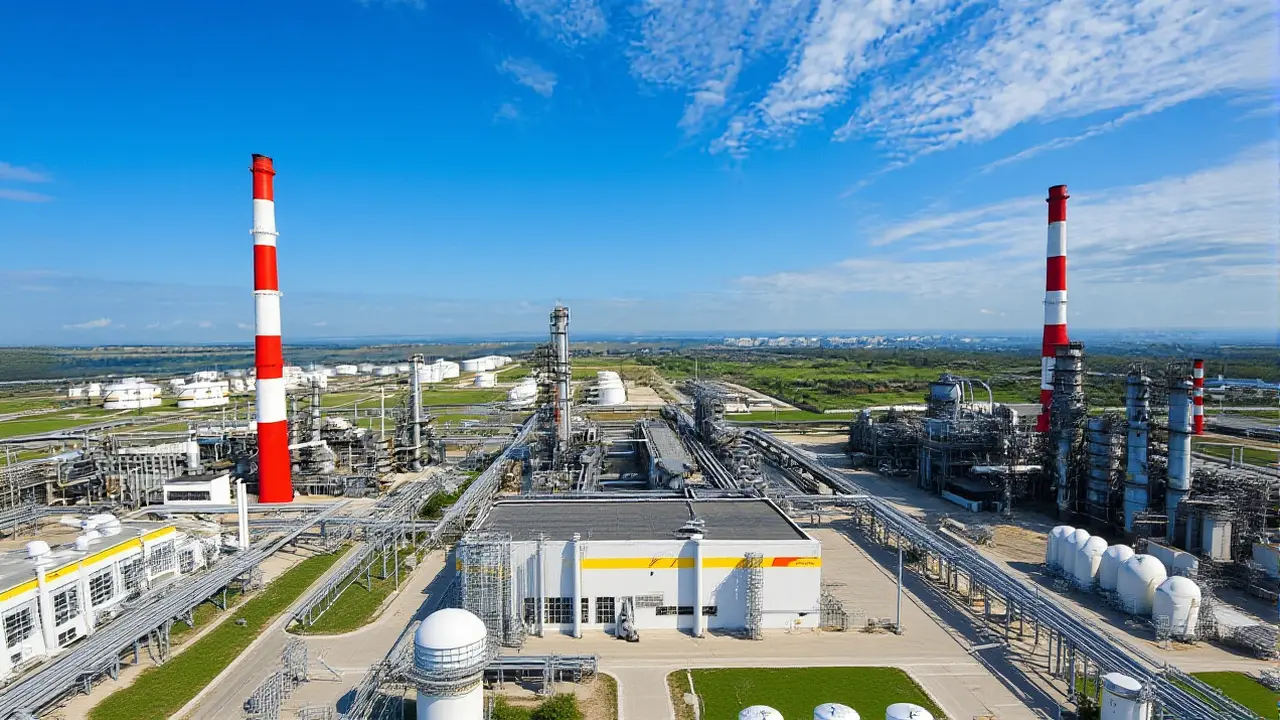
It’s a quiet Tuesday morning in Syzran, Samara Region, Russia, but the hum of industry has gone silent. The city’s massive oil refinery is completely shut down. This isn’t a scheduled maintenance break or a labor dispute. It’s the aftermath of a precision drone strike that hit the facility’s heart on May 21, 2026.
The twist? The damage was catastrophic enough to halt all operations. According to two unnamed industry sources speaking to Reuters, and confirmed by Ukrainian military authorities, the attack disabled the CDU-6 crude distillation unit. That single piece of equipment handled more than 70% of the plant’s capacity. Without it, the refinery is essentially dead in the water.
The Anatomy of the Shutdown
Here’s the thing about modern warfare: you don’t need to destroy an entire factory to stop it. You just need to take out its most critical component. In this case, that was the CDU-6 unit. Think of it as the engine of a car; if you blow out the cylinder block, the whole vehicle stops moving.
Ukrainska Pravda reported that the CDU-6 unit was completely taken offline. Repairs won’t be quick. Industry insiders estimate it will take more than a month to get the system back online. For context, the Syzran refinery has a nominal processing capacity of 8.5 million tonnes per year—that’s roughly 170,000 barrels per day. In 2024 alone, it processed 4.3 million tonnes of crude oil, churning out 1.5 million tonnes of diesel, 800,000 tonnes of petrol, and 700,000 tonnes of fuel oil.
Losing even half that output for over a month creates ripples. Diesel shortages can spike transport costs. Petrol gaps affect local economies. And fuel oil? That’s often used for heating and industrial power. When a major hub like Syzran goes dark, everyone downstream feels the pinch.
Who Confirmed What?
In conflicts today, information is as contested as territory. But on this one, the accounts align surprisingly well. On Facebook, the General Staff of the Ukrainian Armed Forces posted a blunt confirmation: "Based on preliminary strike assessments, the shutdown of the Syzran oil refinery... has been confirmed." They didn’t mince words. They claimed responsibility for the strike carried out on May 21.
On the Russian side, local officials couldn’t deny the event. Vyacheslav Fedorishchev, Governor of the Samara Region, publicly reported a drone attack on Syzran. He didn’t detail the damage, but his acknowledgment confirms the strike happened. United24 Media noted that both sides are now operating with public knowledge of the incident—a rare transparency in what’s usually a foggy battlefield.
Reuters spoke to two industry sources who provided the technical details. These aren’t random bloggers; they’re people inside the energy sector who know how refineries work. Their assessment? The CDU-6 unit is the bottleneck. Fixing it requires specialized parts, skilled labor, and time—none of which are easily available under active threat conditions.
A Pattern Emerging
This wasn’t an isolated incident. Turns out, Ukraine is targeting more than just frontline positions. The Odessa Journal framed the Syzran strike as part of a broader campaign against Russia’s oil-processing infrastructure. Just four days later, on May 25, Ukrainian forces struck the Yaroslavl linear production and dispatch station, damaging equipment and storage tanks there.
Why target energy hubs deep inside Russian territory? Because war is fought on multiple fronts. Economic pressure complements military action. By disrupting fuel supplies, Ukraine aims to strain Russia’s logistics, increase domestic costs, and limit resources available for military operations. It’s a strategy of attrition—not just wearing down troops, but wearing down the economy that supports them.
The distance matters too. Syzran sits about 800 kilometers from Ukrainian-controlled territory. That’s far beyond traditional artillery range. But drones? They’re changing the rules. Long-range UAVs can reach these targets with relative impunity, forcing Russia to spread its air defenses thinner or accept vulnerabilities at home.
What’s Next for Russian Fuel Markets?
The immediate impact is localized, but the ripple effects could be national. With repairs taking over a month, Russia must redirect crude oil to other refineries or import finished products. Both options cost money and create logistical headaches.
Experts suggest this could lead to short-term price spikes in regional markets, particularly for diesel and petrol. If other refineries are already running near capacity, absorbing Syzran’s lost output becomes difficult. Meanwhile, consumers might face longer waits at pumps or higher prices at the pump.
Looking ahead, expect more strikes. The success at Syzran proves that deep-penetration drone attacks can achieve significant operational disruption. Russia may respond with tighter air defense around key facilities, but that’s expensive and resource-intensive. Or they might accelerate efforts to decentralize refining capacity—but that takes years, not weeks.
For now, the silence in Syzran speaks volumes. A single strike, a damaged unit, and a month-long shutdown. It’s a stark reminder that in modern conflict, precision often beats brute force.
Frequently Asked Questions
How long will the Syzran refinery remain offline?
Industry sources cited by Reuters estimate repairs to the damaged CDU-6 unit will take more than a month. Given the complexity of refinery systems and potential supply chain delays for specialized parts, the shutdown could extend beyond six weeks, depending on security conditions and availability of skilled technicians.
Which specific unit was damaged in the strike?
The CDU-6 crude distillation unit was targeted and disabled. This unit accounted for more than 70% of the refinery’s total processing capacity. Its failure effectively halted all primary oil refining operations at the facility, as no other unit could compensate for the loss in throughput.
Did Russian authorities confirm the attack?
Yes, indirectly. Vyacheslav Fedorishchev, Governor of the Samara Region, publicly reported a drone attack on Syzran. While he did not specify the extent of damage, his statement corroborates the occurrence of the strike. Ukrainian military authorities explicitly claimed responsibility and confirmed the resulting shutdown.
Is this part of a larger campaign against Russian infrastructure?
Absolutely. Reports indicate this strike is part of a broader Ukrainian effort targeting Russia’s oil-processing, military, and logistics infrastructure. Just four days after the Syzran strike, on May 25, Ukrainian forces attacked the Yaroslavl linear production and dispatch station, demonstrating a coordinated strategy to disrupt energy supply chains.
What is the economic impact of shutting down the Syzran refinery?
The refinery processed 4.3 million tonnes of crude in 2024, producing significant volumes of diesel (1.5 million tonnes), petrol (800,000 tonnes), and fuel oil (700,000 tonnes). A month-long shutdown removes a substantial portion of regional fuel supply, potentially leading to price increases, logistical bottlenecks, and increased reliance on imports or alternative refineries.






0 Comments