
When you get your electricity bill, the three-tier tariff system, a pricing structure that charges different rates based on how much electricity you use. It’s designed to encourage conservation, but in practice, it often ends up punishing the people who can least afford it. This system is used by Eskom and most South African municipalities to manage demand and recover costs. The idea is simple: the more electricity you use, the more each unit costs. The first block of usage is cheap, the second block is more expensive, and the third block? That’s where the real hit comes in.
But here’s the problem: the system doesn’t account for how people actually live. A family in Khayelitsha using 350 kWh a month to run a fridge, lights, and a single TV gets slapped with the highest rate because they hit the third tier — even though they’re not wasting power. Meanwhile, a middle-class home in Cape Town with air conditioning, a pool pump, and multiple TVs might be using the same amount, but their bill feels manageable because they can afford it. This isn’t just about numbers — it’s about fairness. The Eskom, South Africa’s state-owned power utility responsible for most electricity generation relies on this model to stay afloat, but it’s putting pressure on municipal tariffs, local government pricing structures that add their own fees on top of Eskom’s base rates, making the total cost even harder to predict.
It’s not just households. Small businesses, spaza shops, and clinics in townships also get caught in the third tier, forcing them to cut back on essential services or shut down early. Some cities have tried exemptions or subsidies, but they’re patchy and underfunded. Meanwhile, the electricity pricing, the method used to determine how much consumers pay per kilowatt-hour model hasn’t changed in over a decade, even as renewable energy and load-shedding have reshaped daily life. People aren’t just angry about the cost — they’re frustrated that the system feels rigged.
What you’ll find in the posts below aren’t just news snippets — they’re real stories from people living under this system. From sewage crises caused by power cuts to municipal protests over unaffordable bills, these reports show how the three-tier tariff isn’t just a policy — it’s a daily struggle for millions. You’ll see how it connects to everything from public health to economic survival. No fluff. No theory. Just what’s happening on the ground.
 6 Dec
6 Dec
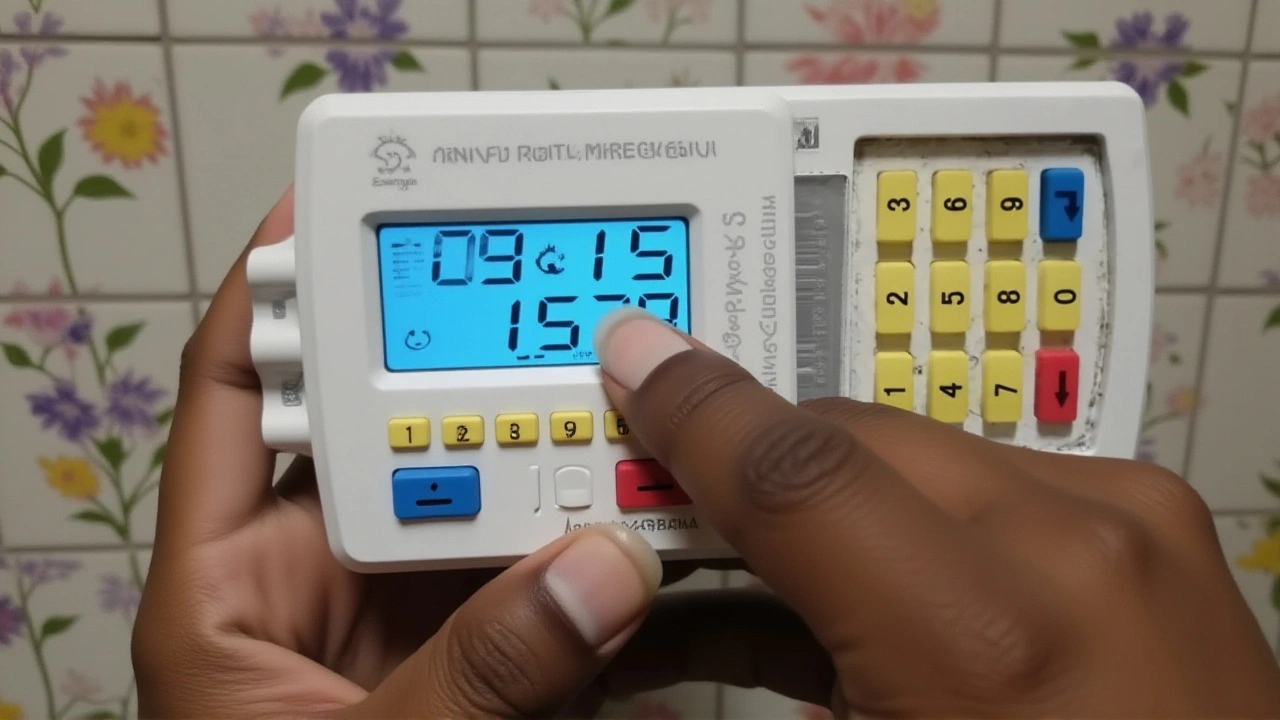
Kenya Power revealed that identical electricity payments yield different token amounts due to a three-tier tariff based on three-month average usage, with rates from Ksh 12.23 to Ksh 20.58 per unit — plus hidden levies that cut into units received.