
Rosemary Oduor, a prominent Kenyan journalist and media advocate known for her fearless reporting on governance and social justice in East Africa. Also known as Rosemary Oduor-Mwaura, she has spent over two decades holding power to account through clear, grounded journalism that speaks directly to everyday Kenyans. Her work doesn’t just report the news—it pushes for change, especially in spaces where silence is the norm.
Rosemary Oduor’s name comes up often in discussions about media in Kenya, especially when it comes to press freedom, digital safety for reporters, and the role of women in newsrooms. She’s been part of the team that exposed corruption in public health projects, covered the impact of land grabs in rural communities, and interviewed leaders who’d rather avoid the spotlight. Her reporting isn’t flashy, but it’s persistent. And that’s what makes it stick.
She’s also a mentor to younger journalists, especially women navigating a field still dominated by men. You’ll find her speaking at media workshops in Nairobi, advising student reporters at the University of Nairobi, or pushing back against laws that try to silence independent voices. Her influence stretches beyond the headlines—she’s helped shape how a new generation thinks about truth, ethics, and courage in journalism.
What you’ll find here isn’t just a list of articles mentioning her name. It’s a collection of stories that connect to her world: the struggles of African journalists, the fight for transparency in government, the quiet battles fought in newsrooms across the continent. From Kenya’s political shifts to how media laws affect daily reporting, these pieces reflect the issues she’s spent her career on.
 6 Dec
6 Dec
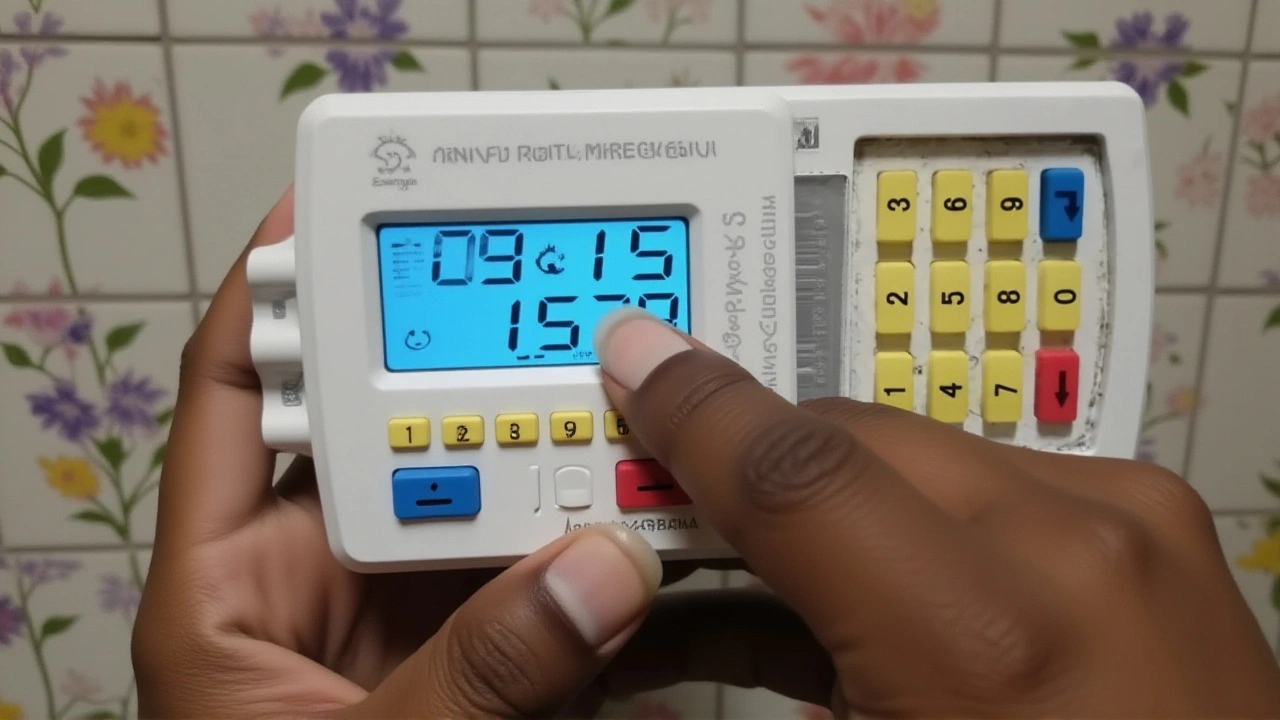
Kenya Power revealed that identical electricity payments yield different token amounts due to a three-tier tariff based on three-month average usage, with rates from Ksh 12.23 to Ksh 20.58 per unit — plus hidden levies that cut into units received.