
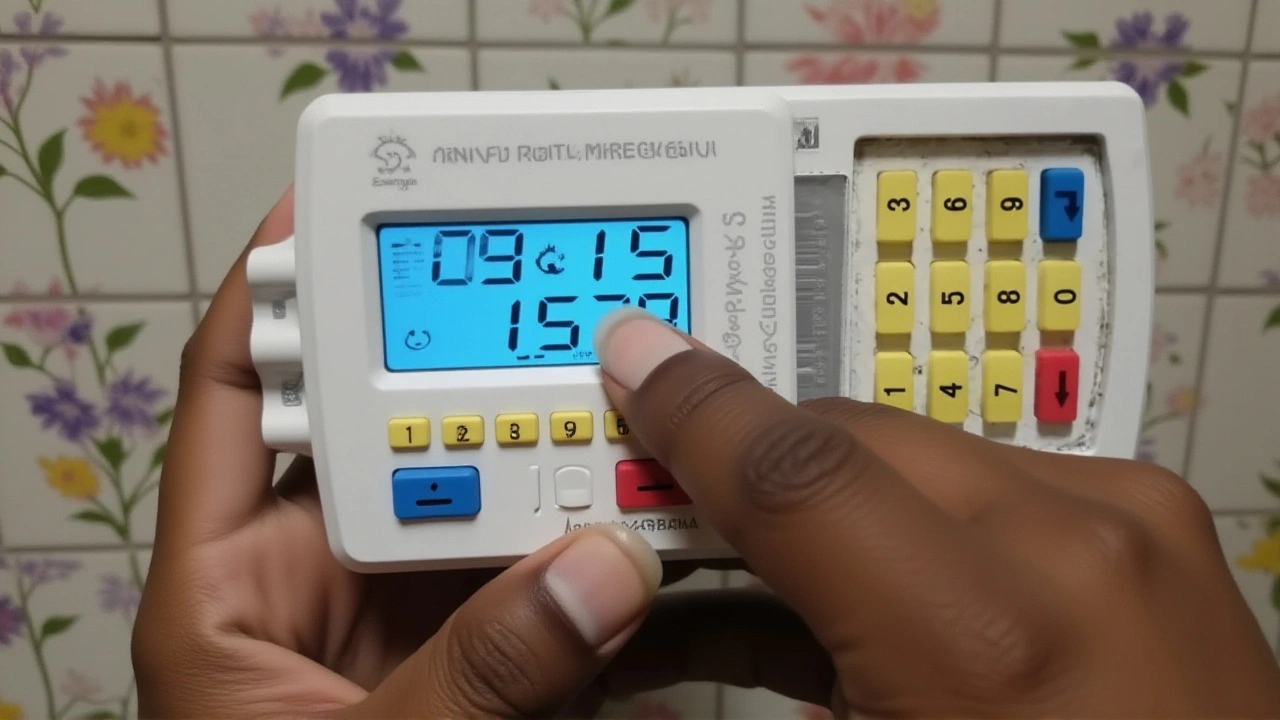
When you buy an electricity token, a unique code that unlocks power for your home when you’re on a prepaid system. Also known as prepaid electricity credits, it’s the main way households in South Africa pay for electricity without monthly bills. You don’t wait for a bill—you buy credit, enter the code on your meter, and power flows. It’s simple, but it’s also life-changing for people who can’t afford upfront payments or don’t have bank accounts.
Electricity tokens are tied directly to Eskom, South Africa’s national power utility that supplies most of the country’s electricity. But they’re sold through local vendors, spaza shops, and mobile apps, making access easier in townships and rural areas. The system lets users control their usage and avoid debt, but it also means power cuts when money runs out. That’s why many families plan their spending around token purchases—sometimes skipping meals to keep the lights on.
There’s a link between SASSA, South Africa’s social security agency that pays grants to millions of low-income citizens and electricity tokens. Many grant recipients use their monthly payments to buy tokens. When SASSA delays payments or changes payment dates, people struggle to keep their homes powered. That’s why the October 2025 SRD grant schedule matters so much—it’s not just about food or transport, it’s about whether the fridge runs or the lights stay on.
It’s not perfect. Sometimes tokens don’t work because of faulty meters or system glitches. People have waited hours in line only to find their code rejected. Others pay more than they should because middlemen inflate prices. But for now, it’s the only system that works for most. And as load-shedding gets worse, the value of a single token goes up. Every rand counts. Every code matters.
What you’ll find below are real stories and updates about electricity tokens in South Africa—from the townships of Cape Town to the informal settlements near Johannesburg. You’ll see how people are coping, how policies are changing, and what’s being done to fix the cracks in the system. This isn’t theory. It’s what people live with every day.
 6 Dec
6 Dec
Kenya Power revealed that identical electricity payments yield different token amounts due to a three-tier tariff based on three-month average usage, with rates from Ksh 12.23 to Ksh 20.58 per unit — plus hidden levies that cut into units received.