
Uhuru Kenyatta, the fourth president of Kenya who served from 2013 to 2022, is a central figure in modern East African politics. Also known as President Kenyatta, he inherited a nation still healing from post-election violence and led it through economic reforms, infrastructure expansion, and tense diplomatic shifts. His presidency wasn’t just about governance—it was about legacy. As the son of Kenya’s first president, Jomo Kenyatta, he carried a name that carried weight, expectation, and deep historical roots.
His leadership was shaped by the Jubilee Party, the political coalition he helped build and lead to two electoral victories. Under his watch, Kenya pushed forward major projects like the Standard Gauge Railway and expanded digital ID systems. But his term also faced criticism—especially around corruption allegations, media restrictions, and the 2017 election controversy that led to a historic court-ordered rerun. These weren’t just political events—they became defining moments for Kenya’s democracy.
His relationship with regional leaders, including Ethiopia’s Abiy Ahmed and Rwanda’s Paul Kagame, influenced East African trade and security. Meanwhile, his administration’s stance on terrorism, particularly around Al-Shabaab, put Kenya on the front lines of regional counterterrorism efforts. Even after leaving office, Uhuru Kenyatta remained a quiet but influential voice in African diplomacy, often advising younger leaders on power transitions.
What you’ll find here isn’t just headlines about elections or speeches. It’s a collection of real stories that show how his decisions rippled beyond Nairobi—into schools, markets, courts, and border towns. From infrastructure deals that changed how Kenyans move, to legal battles that tested judicial independence, these articles capture the full scope of his impact. You won’t find fluff. Just the facts, the fallout, and the lasting changes he left behind.
 17 Nov
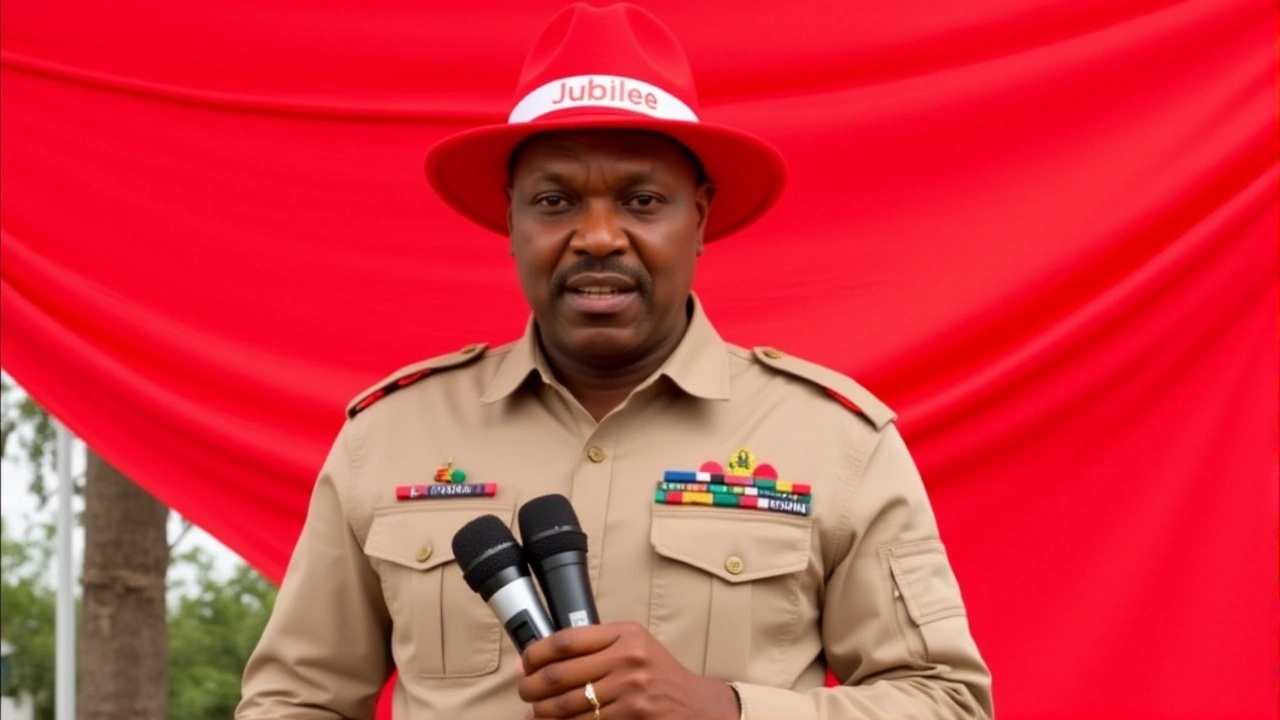
Former President Uhuru Kenyatta unveiled Jubilee Party's 2027 election strategy, criticizing the dismantling of Linda Mama and pushing for constitutional reforms to prevent internal sabotage, as the party seeks to revive after its 2022 defeat.