
When you think of Porto Alegre, the capital of Brazil’s Rio Grande do Sul state and a major cultural and economic center in South Brazil. Also known as the birthplace of the Brazilian Workers' Party, it's a city where politics, football, and riverfront life collide in ways that shape the whole country. This isn’t just another Brazilian city—it’s where the Gaucho culture runs deep, where the Guaíba River meets urban energy, and where protests, festivals, and football matches all draw huge crowds. Porto Alegre doesn’t just follow national trends; it often starts them.
What happens here affects the rest of Brazil. From the annual Festa da Uva grape festival that draws half a million visitors, to the fierce local derby between Grêmio and Internacional—two of the country’s most passionate clubs—the city never sleeps. Local government decisions on education, public transport, or water infrastructure here ripple across South Brazil. And when the state’s economy shifts—thanks to agriculture, tech startups, or port activity at the Rio Grande do Sul docks—it sends signals to investors nationwide. You won’t find Porto Alegre in every headline, but you’ll feel its impact in every corner of the country.
Behind the scenes, the city’s universities, media outlets, and community groups are constantly pushing change. Whether it’s youth movements demanding better public services, artists reclaiming abandoned spaces, or workers fighting for fair wages, Porto Alegre remains a testing ground for Brazil’s future. The stories below reflect that reality: local struggles, triumphs, and moments that don’t always make global news but matter deeply to the people who live here. What you’ll find here isn’t just reporting—it’s a window into a city that refuses to be ignored.
 25 Nov
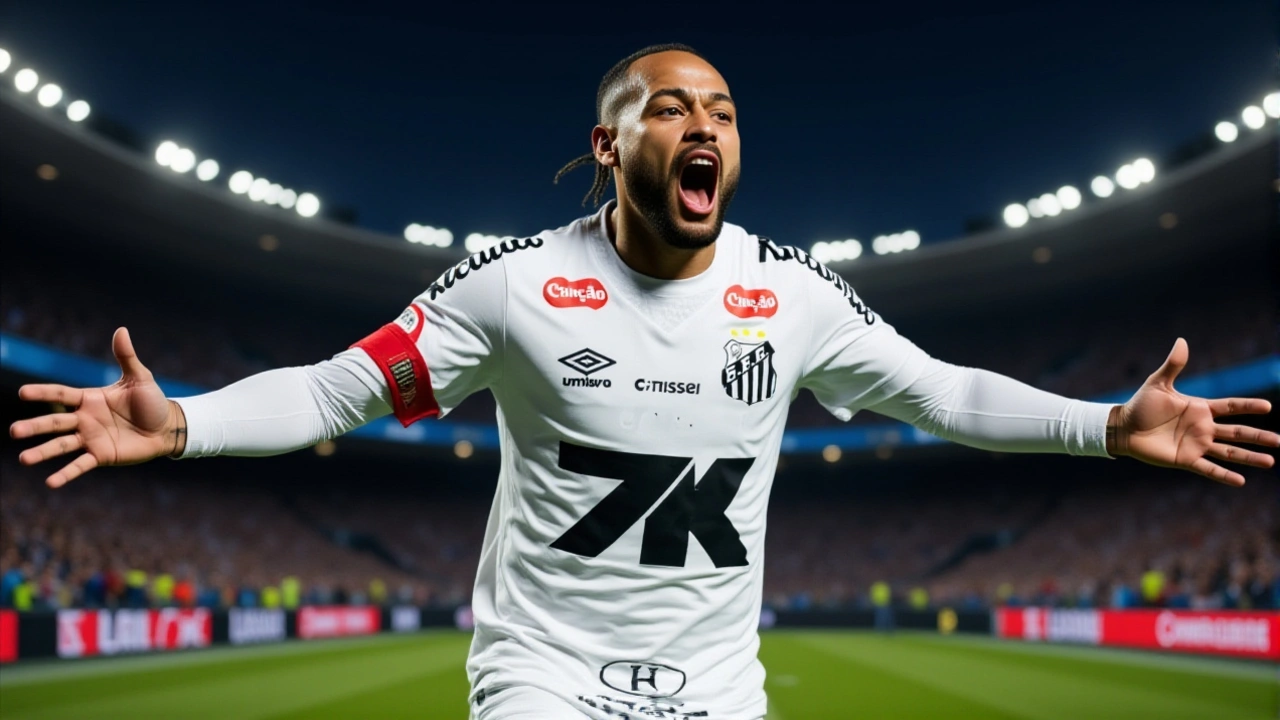
Internacional and Santos drew 1-1 in a tense Brasileirão 2025 clash at Estádio Beira-Rio, with Alan Patrick and Álvaro Barreal scoring. U.S. fans streamed the match via Fanatiz as the title race tightened with just two rounds left.