
When a political party loses its way, party revitalization isn’t a buzzword—it’s a survival tactic. It’s what happens when leaders stop chasing polls and start listening to people who feel left behind. This isn’t about fancy ads or celebrity endorsements. It’s about fixing broken promises, bringing in fresh voices, and making sure the party actually represents the communities it claims to serve. Party revitalization, the process of renewing a political organization’s relevance, structure, and public trust through internal reform and community engagement. Also known as political renewal, it’s what turns declining vote shares into real momentum.
Successful revitalization doesn’t start at the top. It starts in town halls, in neighborhoods with long lines at SASSA offices, in universities where students like Timilehin Opesusi are pushed to the edge, and in places where youth protests over water and power cuts turn into demands for real change—like in Madagascar with President Rajoelina’s leadership crisis. You can’t revive a party if you ignore the people hurting the most. That’s why voter engagement, the active effort to connect with citizens through direct outreach, transparent communication, and responsive policy matters more than ever. It’s not about texting voters once a year. It’s about showing up when no cameras are around. It’s about having local organizers who know who’s struggling with sewage floods at Laerskool Esperanza, not just who’s trending on X.
Leadership matters too. A party can have the best platform, but if its leaders are out of touch, it won’t last. That’s where party leadership, the individuals and structures responsible for guiding strategy, managing internal conflict, and setting public direction becomes critical. Look at ASUU’s strike in Nigeria—when university leaders stood firm and organized, they forced the government to the table. That’s leadership. It’s not about being loud. It’s about being consistent, credible, and willing to take risks for the people. And it’s not just about politicians. It’s about teachers, union reps, student leaders, and community volunteers who keep the machine running when the headlines fade.
And then there’s grassroots organizing, the bottom-up effort to mobilize local communities through direct action, door-to-door outreach, and peer-to-peer persuasion. This is where real change begins. No amount of money can buy what a neighbor’s voice can deliver. When Ipswich Town broke a 16-year drought, it wasn’t because of a star signing—it was because the team played for the fans. Same with politics. People don’t vote for slogans. They vote for someone who gets them. The posts below show how this plays out in real life—from protests in Madagascar to student uprisings in Nigeria, from sewage crises in Johannesburg to youth demands for change. These aren’t isolated stories. They’re signals. The question isn’t whether party revitalization is possible. It’s whether anyone’s still listening.
 17 Nov
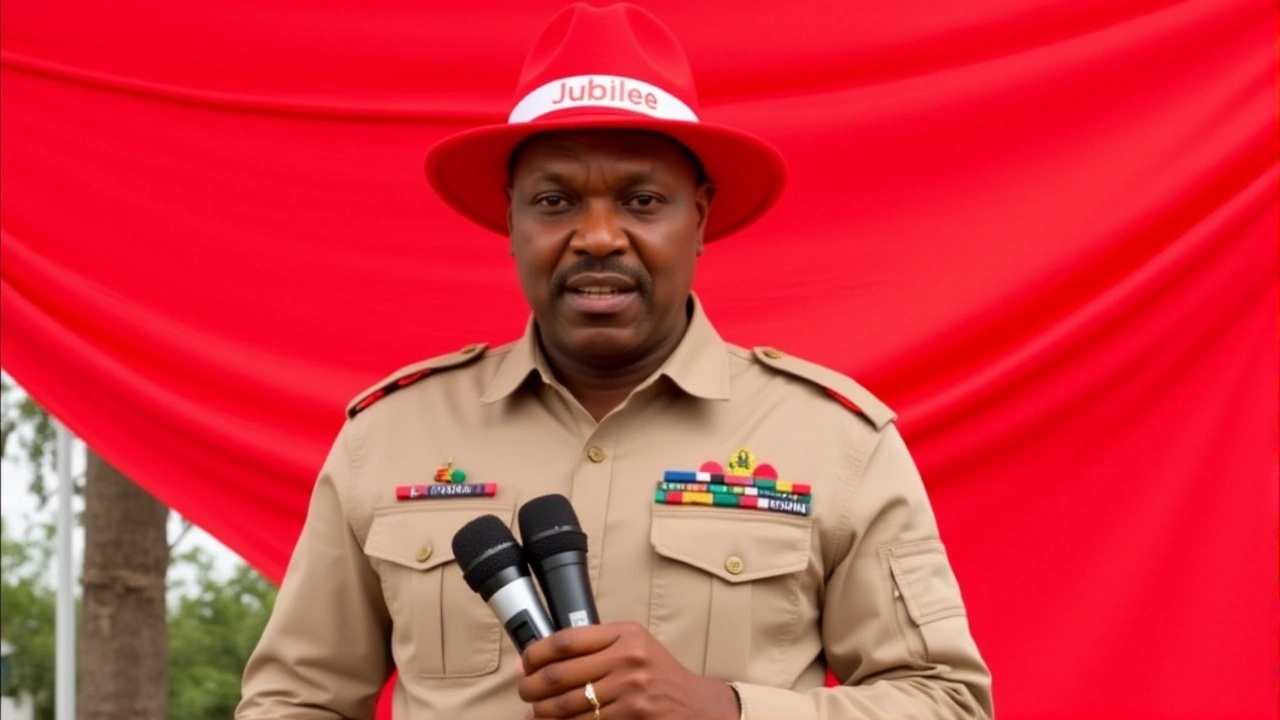
Former President Uhuru Kenyatta unveiled Jubilee Party's 2027 election strategy, criticizing the dismantling of Linda Mama and pushing for constitutional reforms to prevent internal sabotage, as the party seeks to revive after its 2022 defeat.